

How Lip-Sync AI Works in Video Translation: A Deep Dive into the Engineering
January 17, 2026 4 mins read
Have you ever watched a dubbed movie where the actor's lips move completely out of sync with the spoken words? It's distracting and ruins the immersion. This is the "bad dubbing" effect that has plagued localized content for decades.
Today, Generative AI is solving this problem with Lip-Sync AI—a sophisticated technology that modifies the visual video frames to match the new audio track seamlessly.
But how does it actually work? Let's dive into the machine learning and engineering architecture behind this magic.
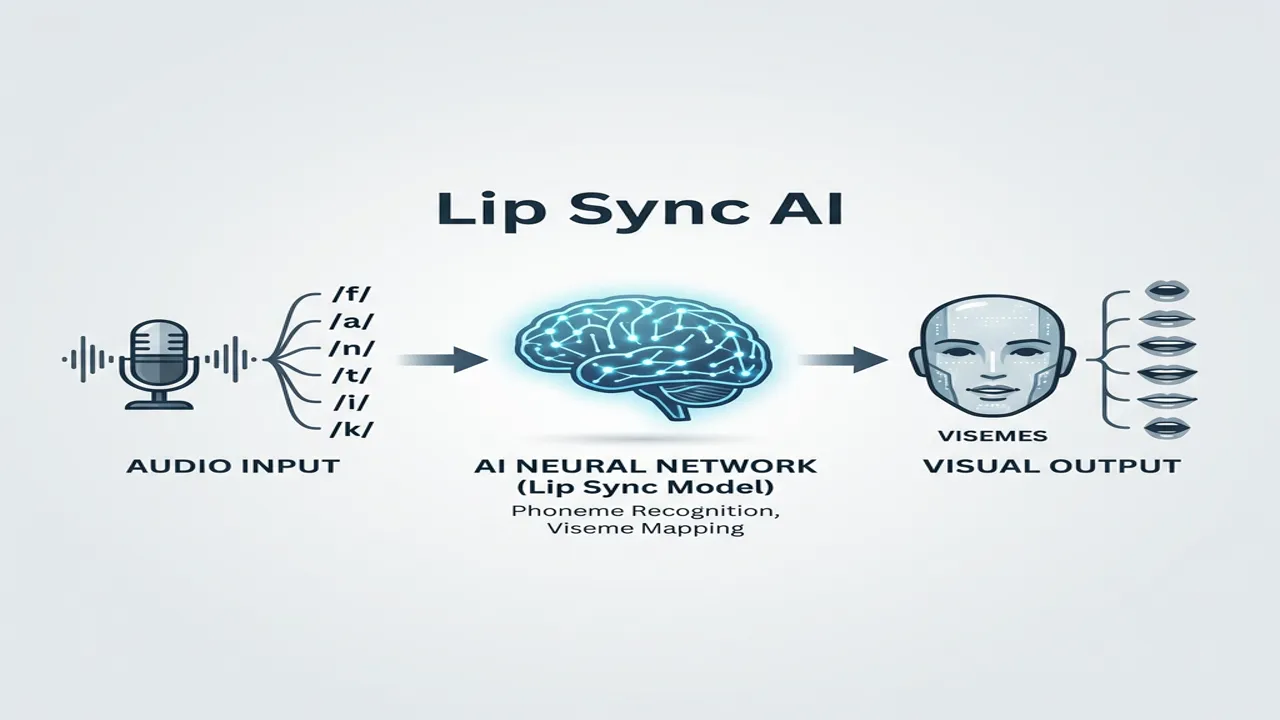
The mechanism of Lip-Sync AI
At its heart, AI lip-syncing is a computer vision and audio processing challenge. It uses deep learning models, specifically Generative Adversarial Networks (GANs), to reconstruct facial movements. Here is the step-by-step engineering pipeline:
The first step is face detection. The AI scans every frame of the video to locate the speaker's face. It then maps out facial landmarks—distinct points around the eyes, nose, jawline, and most importantly, the lips.
Simultaneously, the AI analyzes the new audio track (the translated voice). It breaks the speech down into phonemes—the distinct units of sound (like the "b" in "bat" or "th" in "thing").
This is the crux of the synchronization. A viseme is the visual shape the mouth makes when producing a phoneme.
Once the new mouth shape is determined for each frame, the AI must render it onto the original video. It's not just pasting a mouth; it's reconstructing the lower face.
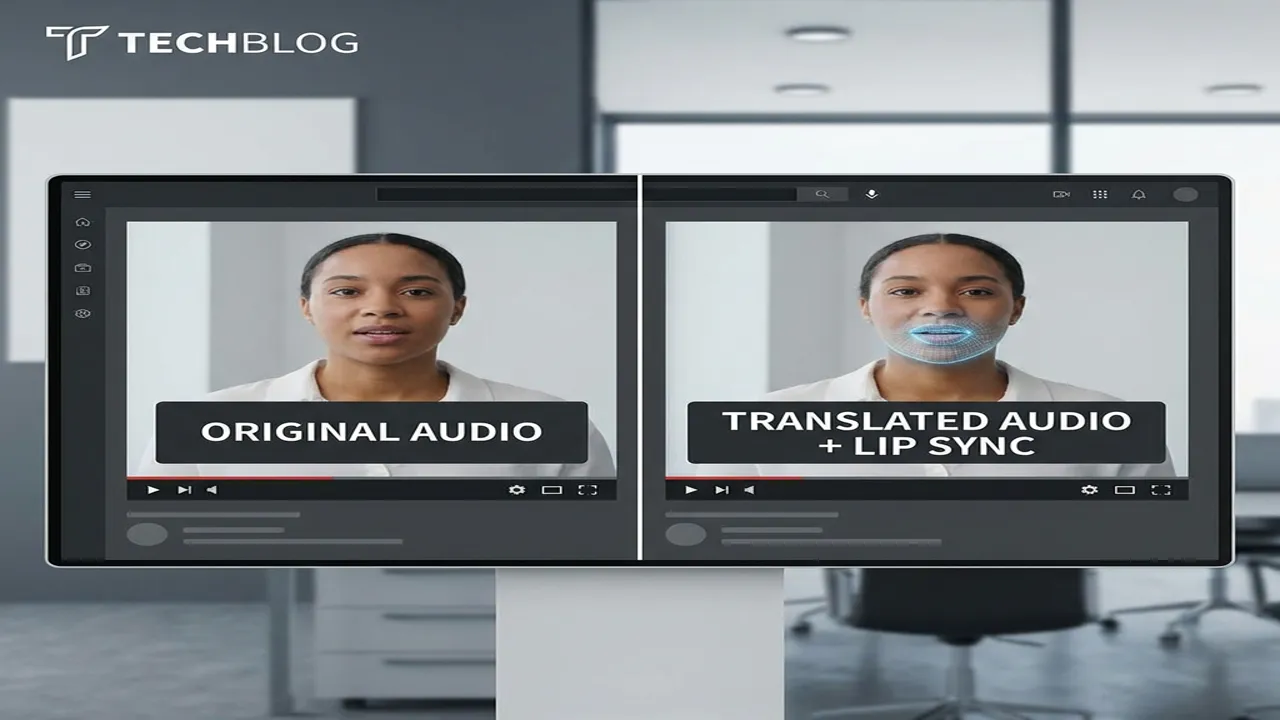
VideoDubber Lip-Sync Comparison
Early lip-sync tech felt robotic. The mouth would move, but the rest of the face remained frozen. Modern engineering, like the technology used by VideoDubber, incorporates:
While open-source models like Wav2Lip provided a foundation, enterprise-grade solutions require much more stability. VideoDubber utilizes an advanced, proprietary pipeline that offers:
For brands and creators looking to expand globally, this visual translation is just as important as linguistic translation. It builds trust and keeps viewers engaged.
Ready to try it? Experience the best AI lip-sync technology with VideoDubber today.
Discover the accuracy of AI video translation with Word Error Rate (WER) benchmarks and real-world examples from VideoDubber.
Learn how AI voice cloning works for video dubbing. This comprehensive guide covers neural networks, voice encoding, TTS synthesis, leading platforms, best practices, and the technology behind creating natural-sounding dubbed content.
How to use GPT-5.2 for video translation: step-by-step in VideoDubber, model comparison (GPT vs Gemini vs DeepSeek), cost and credits, best practices for European languages. Try free.
How to use Gemini for video translation: complete 2026 guide. Step-by-step in VideoDubber, Asian-language strength (Japanese, Korean, Hindi), multimodal context, and when to pick Gemini vs GPT or DeepSeek.
Learn how to change and assign different speaker voices in video translations using VideoDubber.ai. Control voice selection for each speaker in your dubbed videos.