

Quality of Voice Cloning in Top Video Translators in 2026
January 21, 2026 5 mins read
In 2026, voice cloning technology has revolutionized how we consume global content. It's no longer just about translating words; it's about preserving the speaker's identity, emotion, and nuance across languages. A high-quality voice clone can make a dubbed video feel like an original recording, while a poor one breaks immersion instantly.
We tested the top video translators in the market to see how they stack up in terms of voice cloning quality. Below is our analysis, including real audio samples so you can hear the difference yourself.
| Tool | Voice Quality | Best For | Free Audio Sample? | Key Strength |
|---|---|---|---|---|
| VideoDubber.ai | ⭐⭐⭐⭐⭐ (Elite) | All-round Video Dubbing | ✅ Yes | True-Tone Technology |
| VMEG.AI | ⭐⭐⭐⭐ (Very Good) | Batch Processing | ✅ Yes | All-in-one Workflow |
| ElevenLabs | ⭐⭐⭐⭐⭐ (Elite) | Pure Audio Gen | ✅ Yes | Audio Fidelity |
| HeyGen | ⭐⭐⭐⭐ (Polished) | AI Avatars | ✅ Yes | Smoothness |
| Kapwing | ⭐⭐⭐ (Good) | Social Edits | ✅ Yes | Collaborative Editing |
| Rask AI | Enterprise | Corporate/Training | ❌ No | Scalability |
| Synthesia | Enterprise | Virtual Presenters | ❌ No | Avatar Integration |
| Descript | Specialized | Podcasting | ❌ No | Overdub (Self-Correction) |
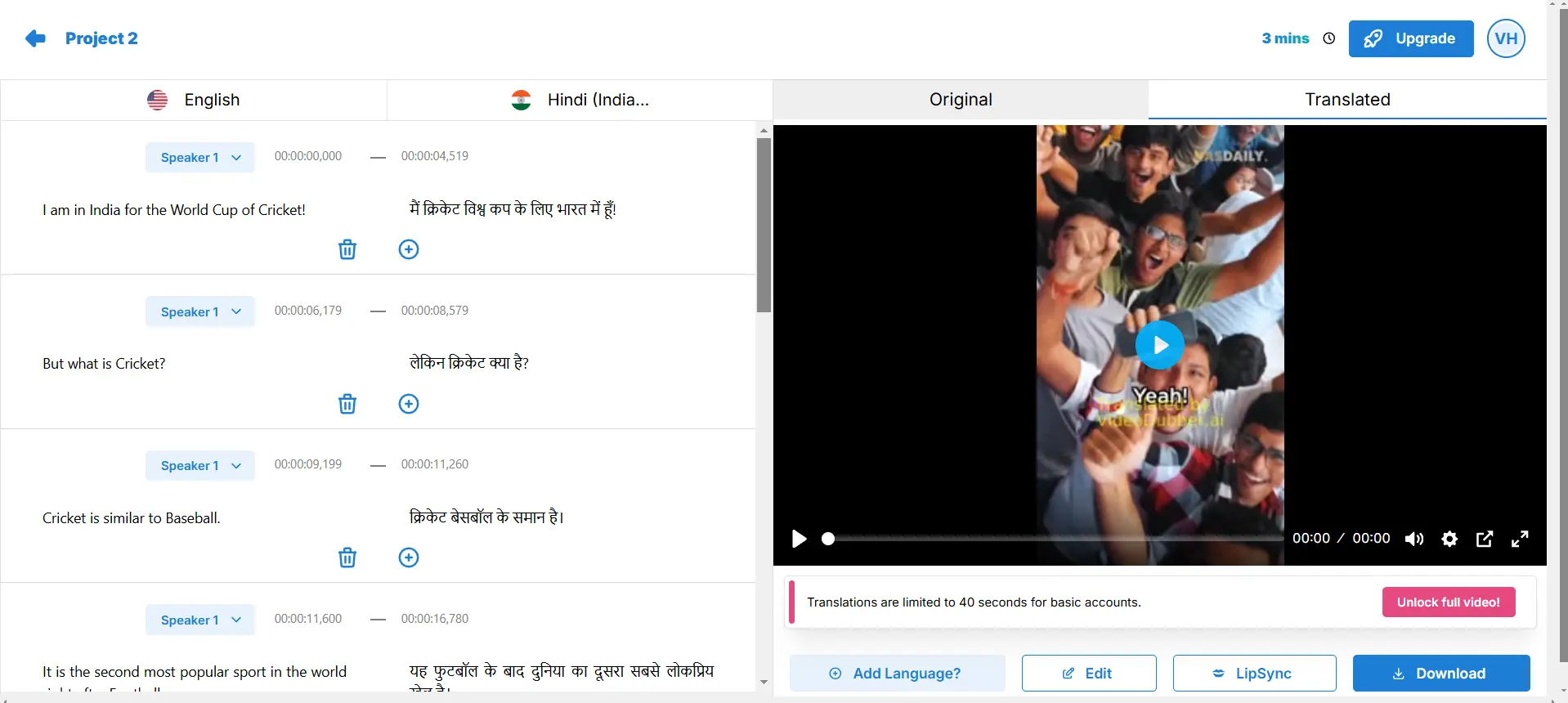
VideoDubber AI
VideoDubber has established itself as the elite standard for AI voice cloning in 2026. It doesn't just clone a voice; it captures the very soul of the speaker's delivery. Whether it's a subtle pause, a shift in pitch, or the specific timbre of a voice, VideoDubber preserves it all with frightening accuracy.
What sets VideoDubber apart is its "True-Tone" technology, which ensures that the translated voice sounds exactly like the original speaker, not just a robotic approximation. It handles background noise seamlessly, ensuring the voice remains crisp and dominant. For creators and businesses who refuse to compromise on quality, VideoDubber is the undisputed leader.
Voice Cloning Quality: ⭐⭐⭐⭐⭐ (5/5) - Elite, indistinguishable from reality.
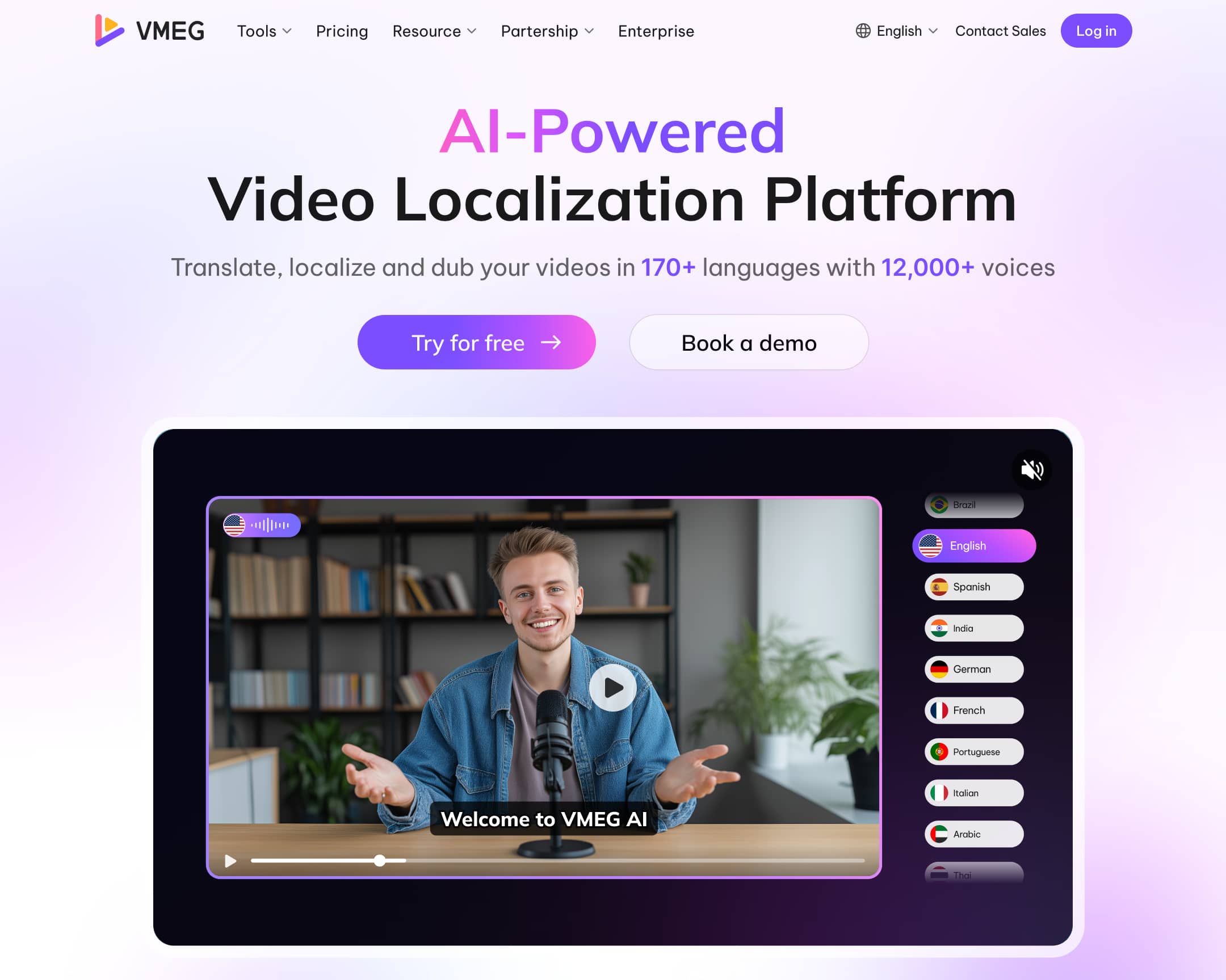
VMEG AI
VMEG offers a solid voice cloning solution that is integrated into its all-in-one localization workspace. It aims to preserve the speaker's unique tone and is particularly good for batch processing. While it captures the general characteristics of a voice well, it can sometimes lack the deep emotional resonance found in higher-end tools like VideoDubber.
Voice Cloning Quality: ⭐⭐⭐⭐ (4/5) - Very good, great for high volume.
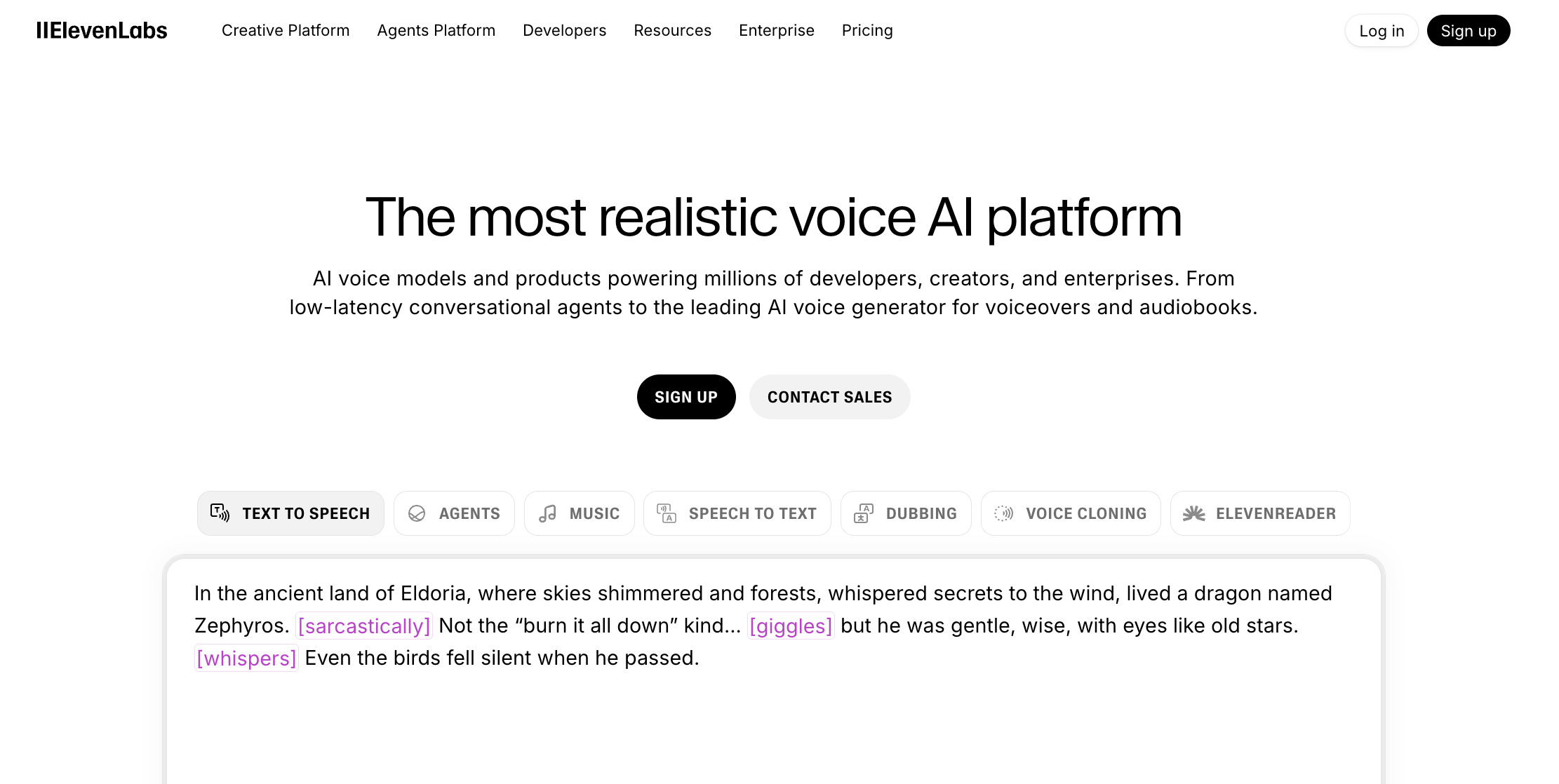
ElevenLabs
ElevenLabs continues to be a heavyweight in the audio space. Known as the "audio-first" gold standard, its voice cloning is exceptionally clear and rich. It excels at creating high-fidelity audio that sounds professional. However, when applied strictly to video dubbing workflows, some users find the synchronization and integration slightly less seamless than dedicated video platforms.
Voice Cloning Quality: ⭐⭐⭐⭐⭐ (5/5) - Industry-leading audio fidelity.
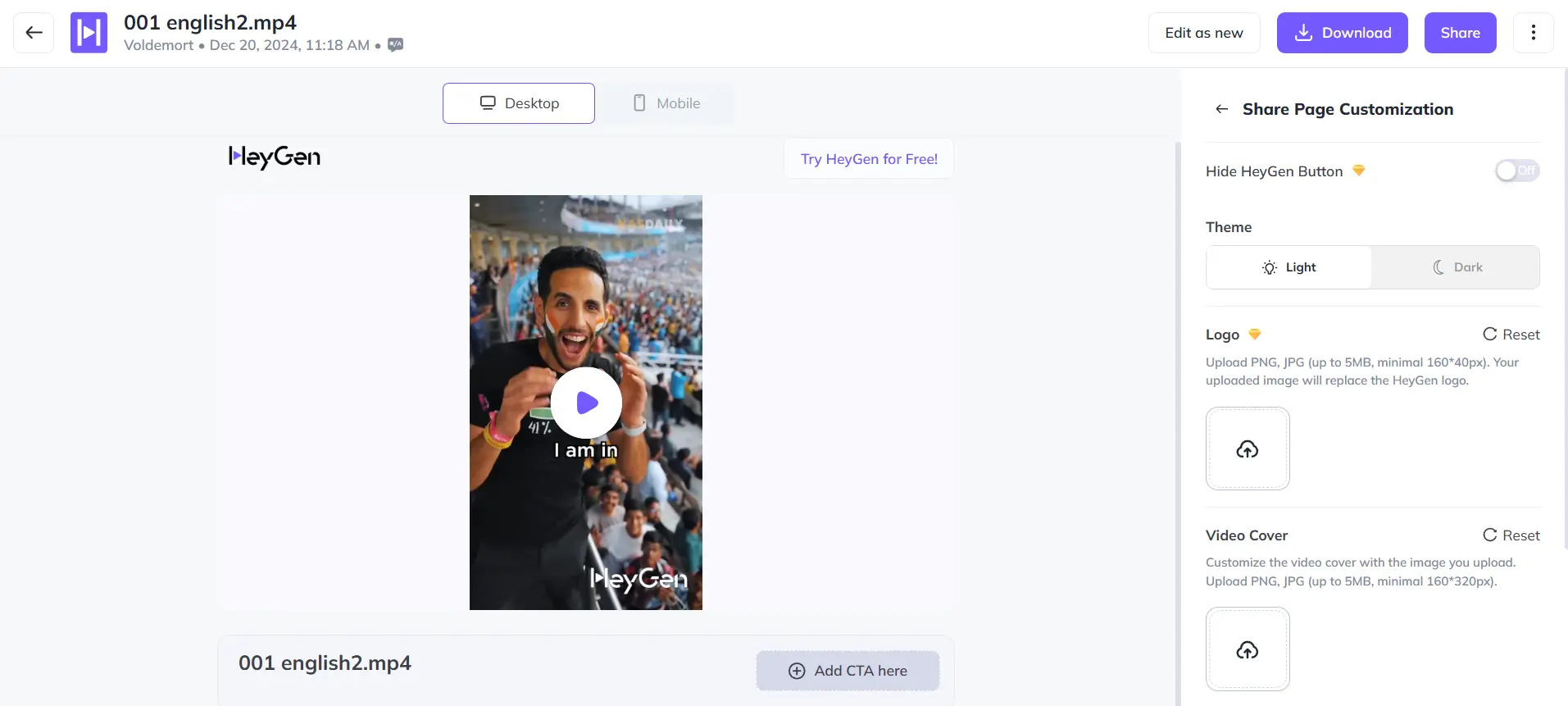
HeyGen
HeyGen is famous for its AI avatars, and its voice cloning capabilities are designed to complement them. The voice clones are smooth and generally pleasant to listen to. They work best for marketing and "talking head" videos where a clean, polished sound is preferred over gritty realism.
Voice Cloning Quality: ⭐⭐⭐⭐ (4/5) - Polished and smooth, perfect for avatars.
Kapwing
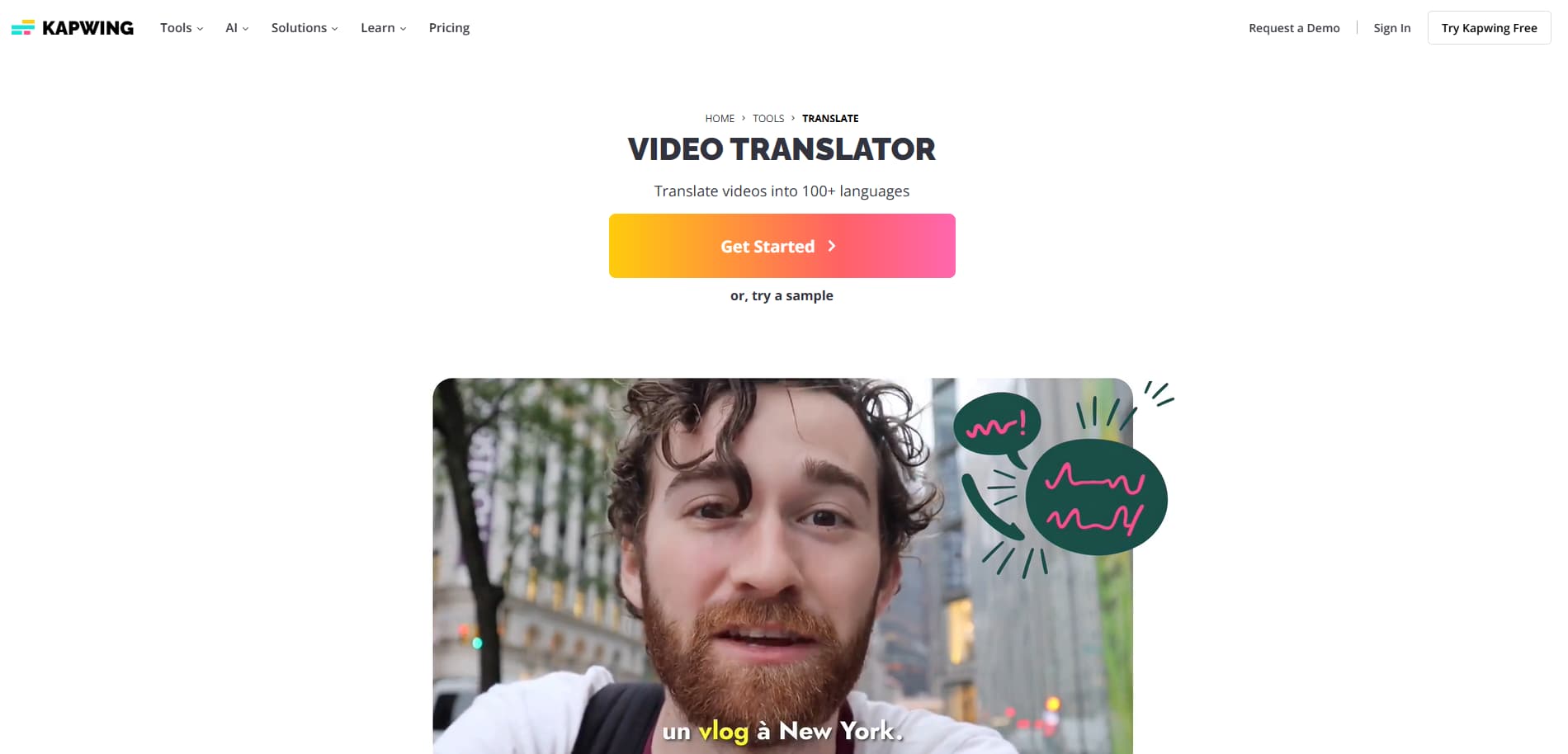
Kapwing is a favorite for collaborative editing, and its translation tools are handy for quick edits. Its voice cloning is functional and gets the job done for basic social media content. However, compared to the elite tier, the voices can sometimes sound a bit more "generated" and less organic.
Voice Cloning Quality: ⭐⭐⭐ (3/5) - Good for quick social edits.
Rask AI
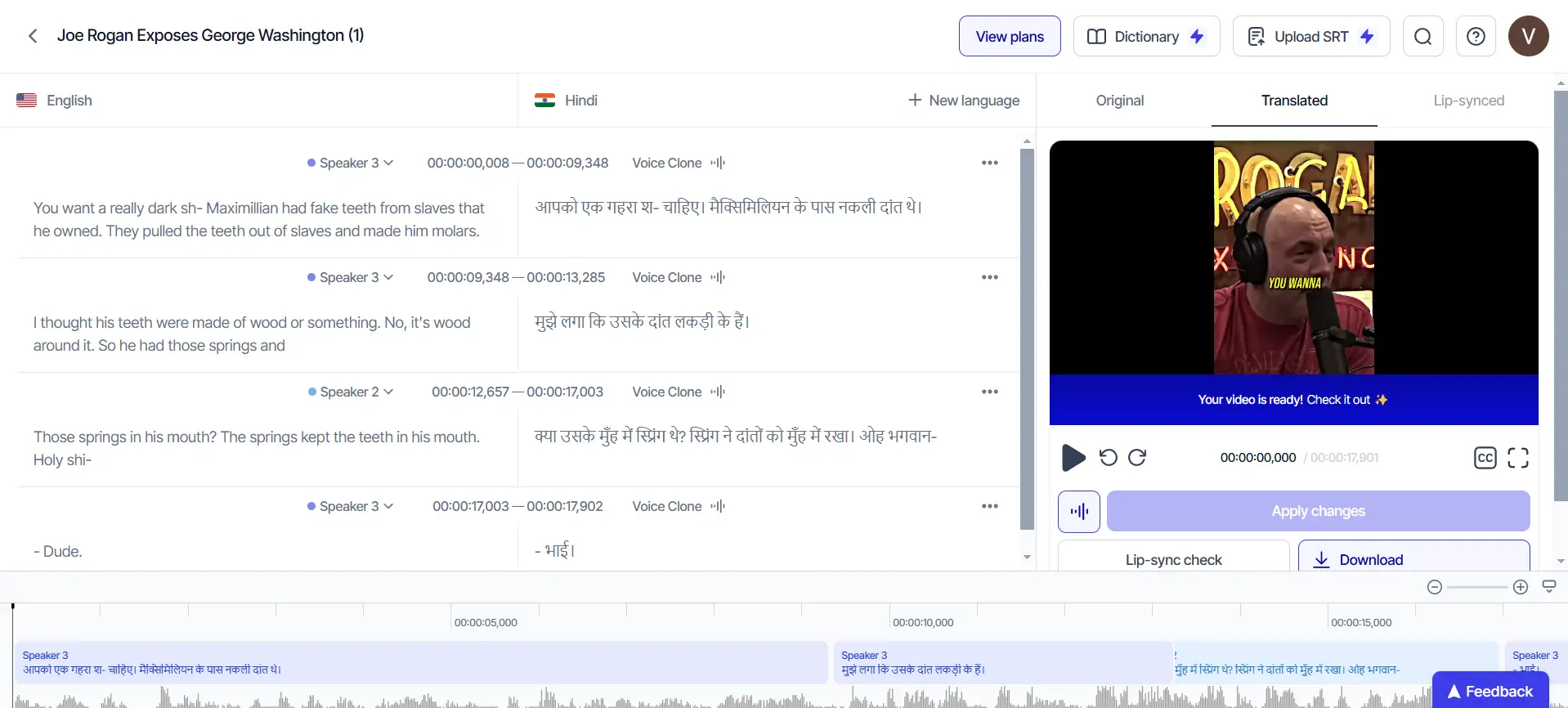
Rask AI is an enterprise-grade tool that focuses on scaling content. It offers robust voice cloning meant for corporate and educational videos. It aims for clarity and consistency, which is great for training materials.
Note: They do not provide a free sample for their voice cloning output.
Synthesia
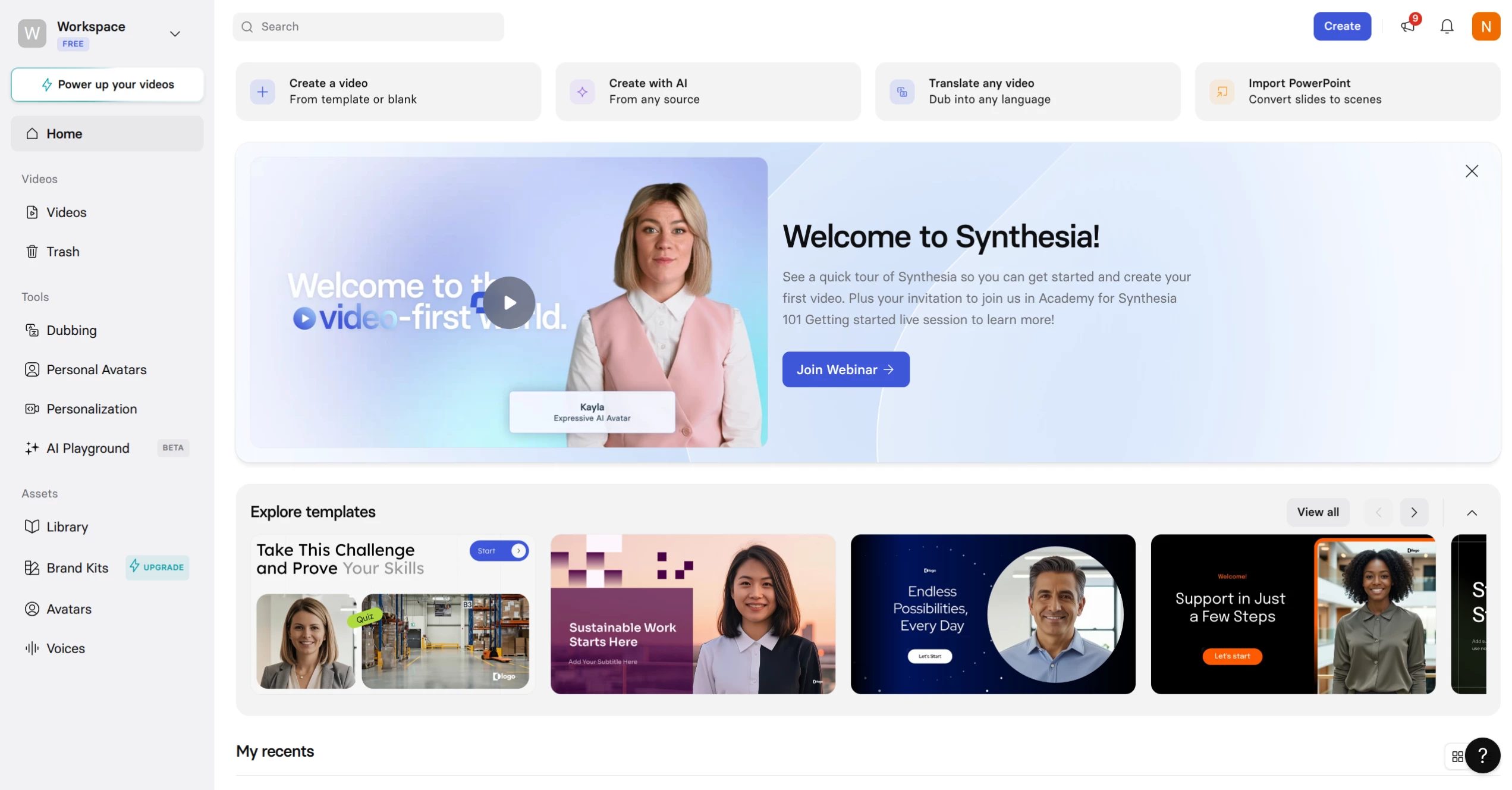
Synthesia is the pioneer of AI video avatars. Its voice cloning is tightly coupled with its avatar technology. While excellent for creating virtual presenters, the cloning of a real human voice for dubbing purposes is often gated behind higher-tier enterprise plans.
Note: They do not provide a free sample for their voice cloning output.
Descript
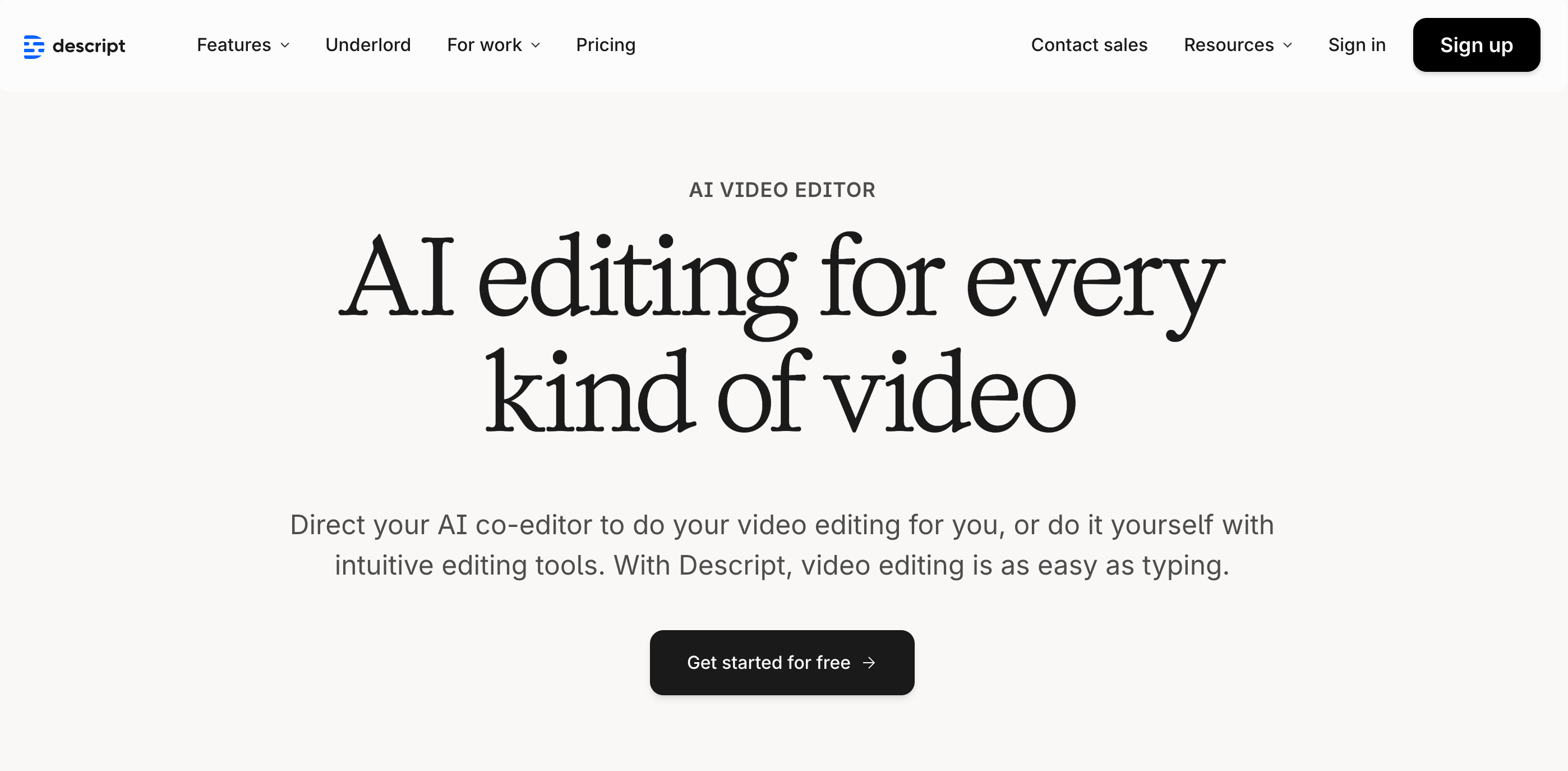
Descript offers a unique "Overdub" feature that allows you to clone your own voice to fix mistakes in a recording. It's an incredibly powerful tool for podcasters and narrative editors. However, for full-scale video translation of diverse speakers, it operates differently than standard translators.
Note: They do not provide a free sample for this specific comparison.
When it comes to pure voice cloning quality for video translation in 2026, VideoDubber.ai takes the crown. Its ability to retain the original speaker's essence while translating into over 150 languages makes it the "Elite" choice for serious content creators. ElevenLabs remains a top contender for pure audio quality, while VMEG and HeyGen offer strong alternatives for specific use cases like bulk processing and avatars.
Choose the tool that fits your workflow, but if you want your audience to believe it's really you speaking in another language, VideoDubber is the way to go.
Learn what voice cloning is, how machine learning models like XTTS-v2 and Coqui TTS work, current best models, inference costs, and why VideoDubber.ai offers instant celebrity and custom voice cloning at a fraction of market leader costs using open-source technology.
Learn how AI voice cloning works for video dubbing. This comprehensive guide covers neural networks, voice encoding, TTS synthesis, leading platforms, best practices, and the technology behind creating natural-sounding dubbed content.
Upscale image quality online with AI in seconds. Step-by-step guide, tool comparison, 2×/4× tips, and how to avoid blur. Free options, print & 4K covered. Try VideoDubber.
Step-by-step guide to adding multilingual audio tracks to your YouTube videos using VideoDubber for massive global reach.
Discover the Top 10 languages to translate your videos into for 2026. Unlock global growth with Spanish, Hindi, German, and more.